Morning Links

READING:

ADMIRING:

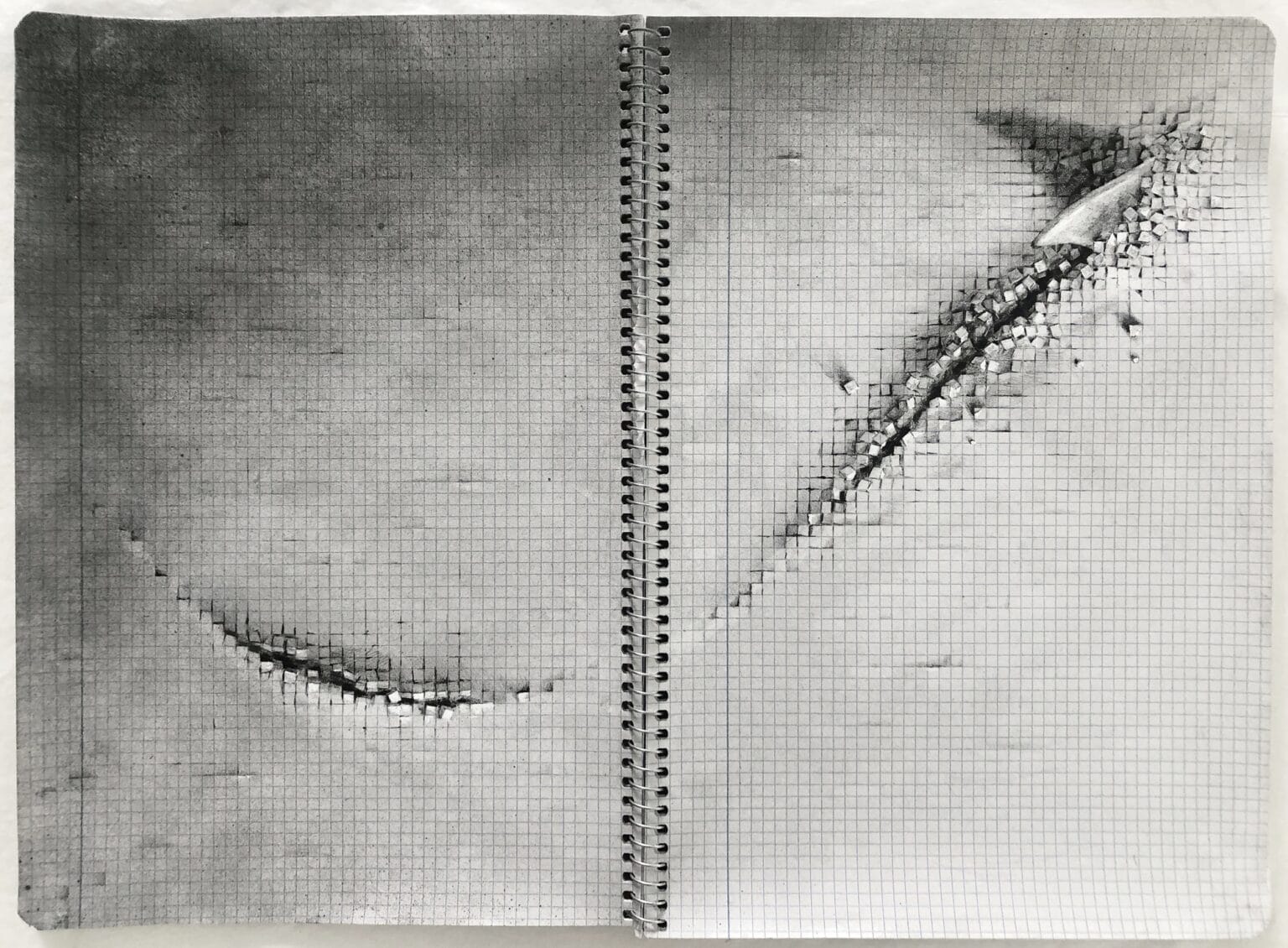
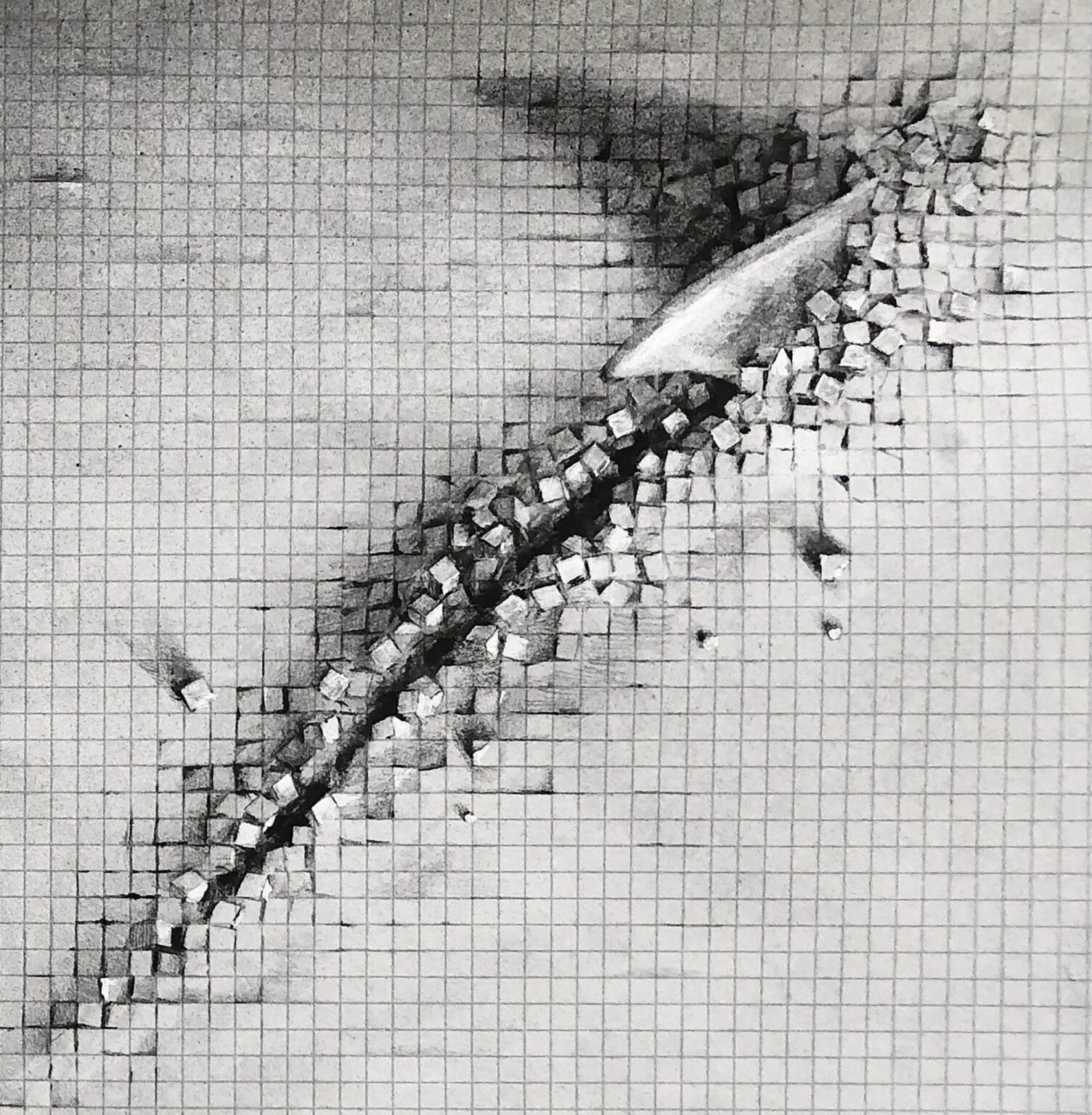
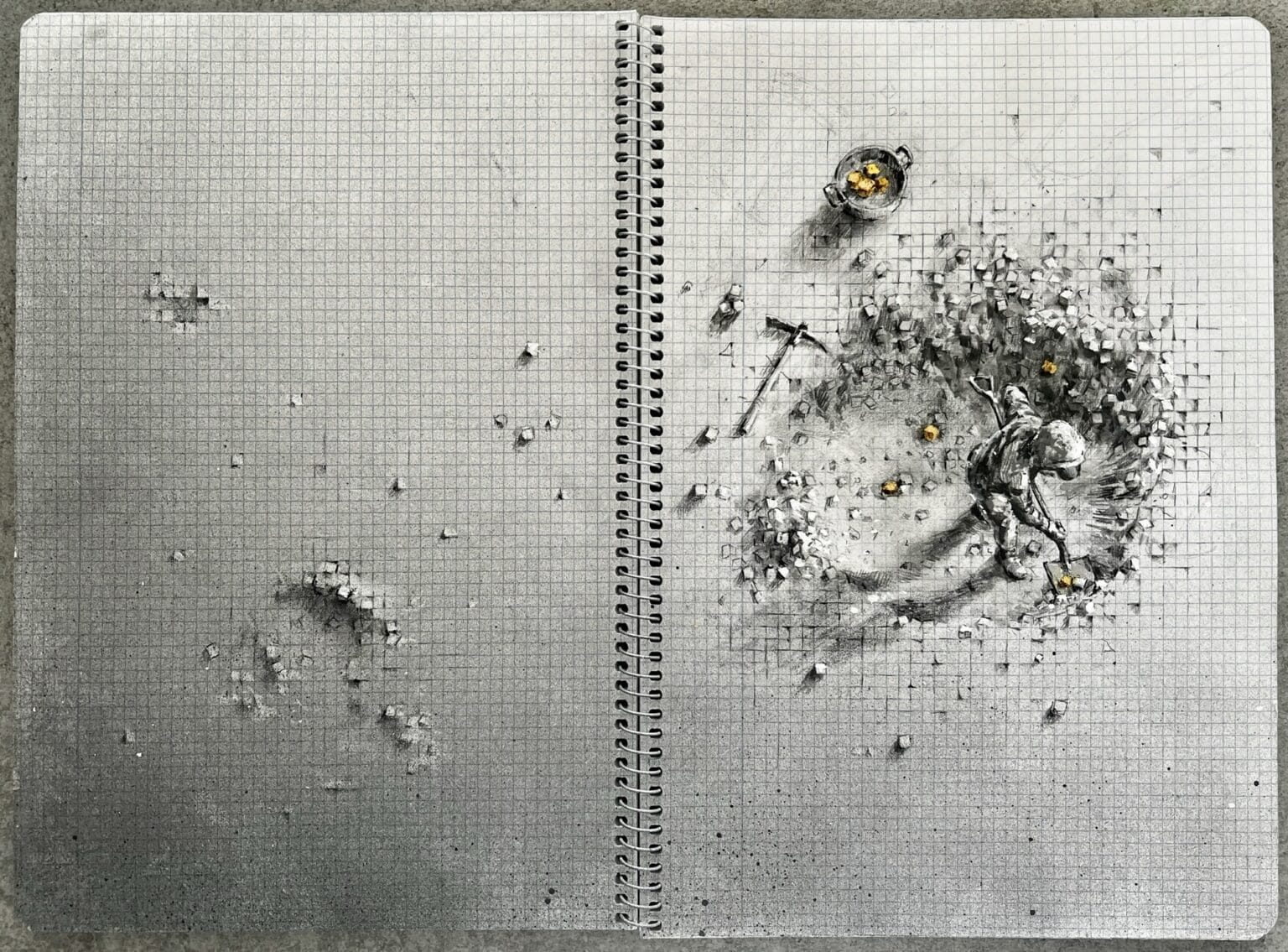
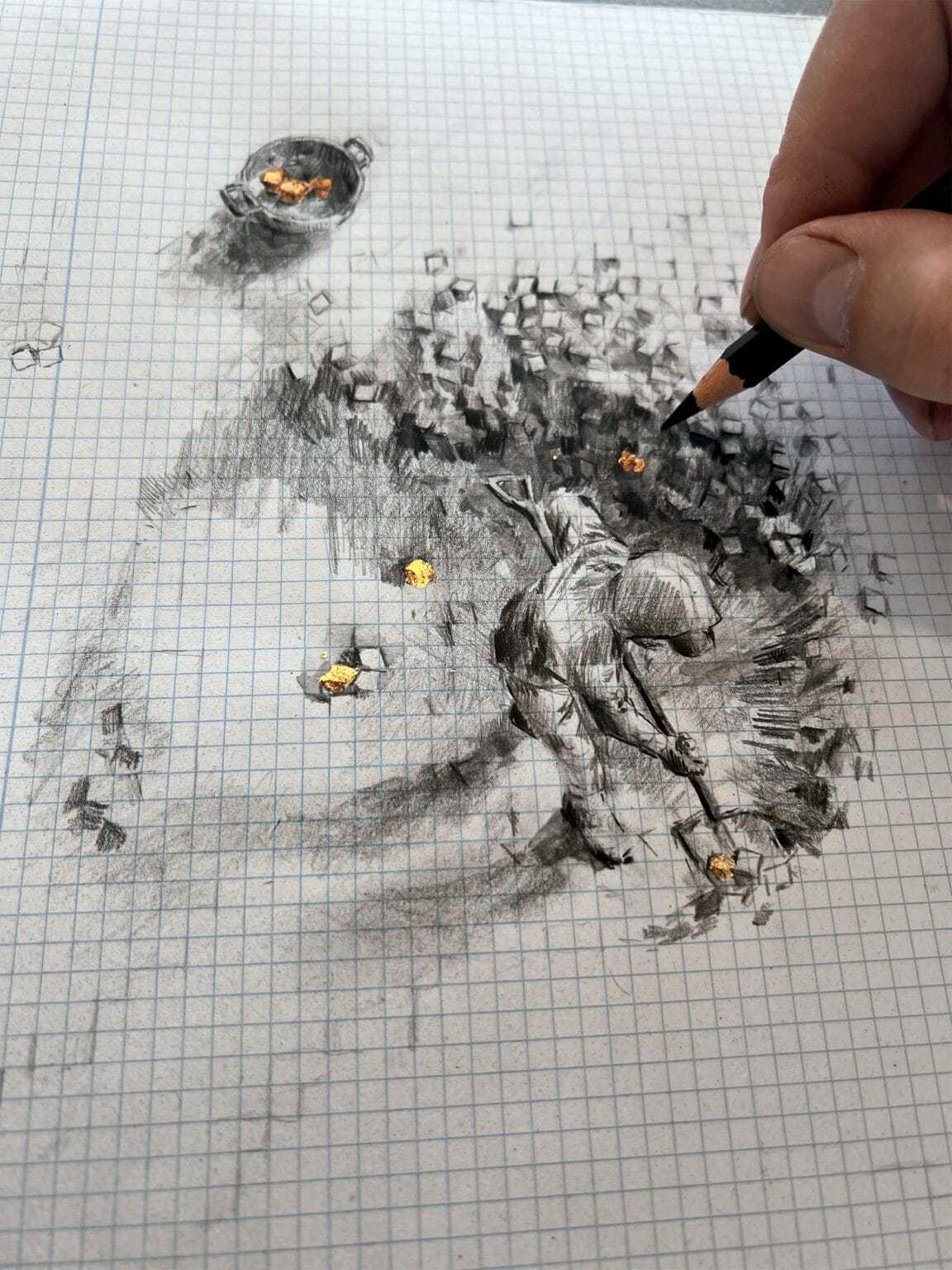
  • These incredible graph paper drawings. (Not AI). - Colossal

“Emerge” (2020)

Detail of “Emerge”

“Hidden Gold” (2023)

Detail of “Hidden Gold”

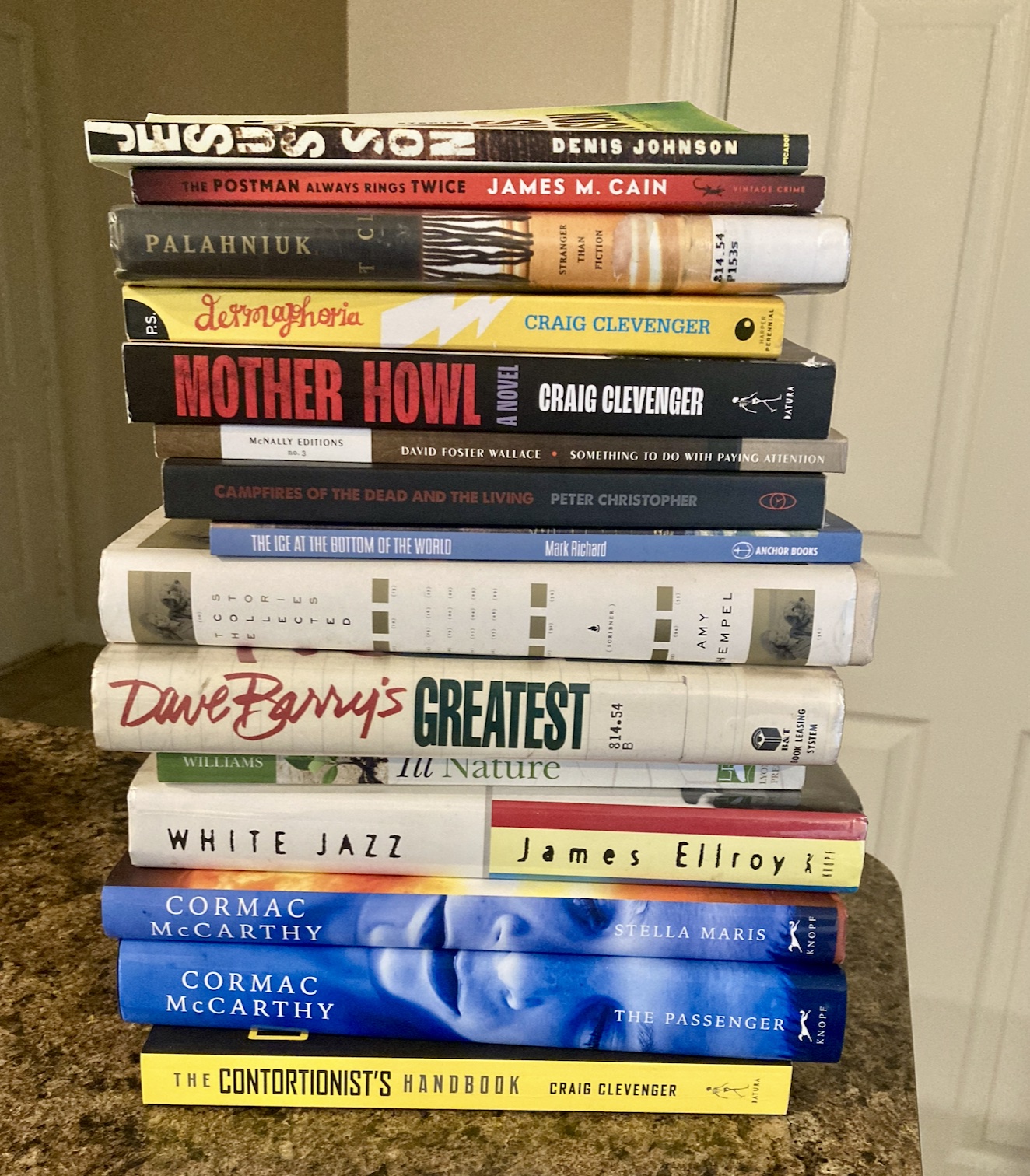
Q1 Reading list

Favorite reads from Q1:

  1. Jesus’ Son by Denis Johnson
  2. The Postman Always Rings Twice by James Cain
  3. Stranger Than Fiction by Chuck Palahniuk
  4. Dermaphoria by Craig Clevenger
  5. Mother Howl by Craig Clevenger
  6. Something To Do With Paying Attention by David Foster Wallace
  7. Campfires of the Dead by Peter Christopher
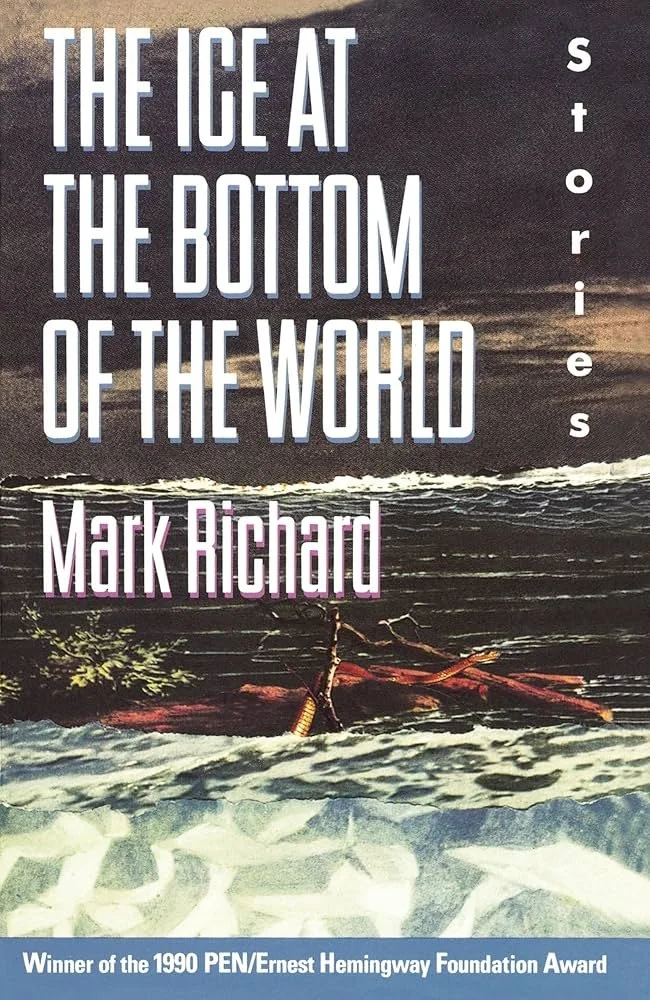
  8. The Ice at the Bottom of the World by Mark Richard
  9. Collected Stories by Amy Hempel
  10. Dave Barry’s Greatest Hits by Dave Barry
  11. Ill Nature (I actually hated this book)
  12. The Passenger & Stella Maris - Cormac McCarthy
  13. The Contortionist’s Handbook by Craig Clevenger

Something I’ve started doing lately is after I’ve finished a book, I’ll upload my favorite highlights and excerpts to Claude or Gemini and ask, “What’s going on in this writing?”

I know what I like. I trust my taste. But I don’t have the right language to articulate it.

This is where LLMs come in handy.

For example, this passage from Jesus’ Son by Denis Johnson spoke to me. I wanted to understand why. So I pasted the text into Gemini and asked it to explain the writing mechanics and literary devices. Then I asked it to generate a concise ‘writing rule’ referencing the example:

“Show, Don’t Tell”

This is a classic writing rule, and this excerpt is a masterclass in it.

Example:

I was hanging out in the E.R. with fat, quivering Nurse. One of the Family Service doctors that nobody liked came in looking for George to wipe up after him. “Where’s Georgie?” this guy asked.

“Georgie’s in O.R.,” Nurse said.

“Again?”

“No,” Nurse said. “Still.”

“Still? Doing what?”

“Cleaning the floor.”

“Again?”

“No,” Nurse said again. “Still.”

The author does not write: “George had been cleaning the O.R. floor for a very, very long time, and everyone was getting annoyed.”

The Effect: Instead, the writer shows us how long George has been cleaning through the doctor’s disbelief (“Still? Doing what?”) and the nurse’s flat correction. It forces the reader to put the pieces together, making the writing much more engaging.

I have a file in my Obsidian vault that’s full of these little ‘writing rules.’

The thinking is, rather than simply having taste, knowing what I do and don’t like, I want to reverse-engineer my taste and apply it to creative projects.

Taste

“Once we develop good taste, we can apply it to our own work.” - Ira Glass.

At first, what we create will pale in comparison to influences we are so beholden to but over time we can close the gap between where we are and where we want to be.

That is because our good taste will forever be the lens of the level of quality that we strive to meet or exceed.

It is a kind of sober self-awareness, the ultimate absence of self-delusion that forbids us to settle and keeps us exploring our craft until one day that craft becomes our art.

Last words

Well, Mr. Buckley, it seems that it’s your time to go.

Any last words? Are you ready to go?

“Yup.”

Eeeeeeeeeeeeeeeeeeeeeeeeeee

The EKG flatlined.

Doctor: I’m sorry, Mrs. Buckley, Dennis has passed on.

Widow, sobbing: Well, did he… did he say anything?

Doctor: Yup.

Widow: What did he say doctor? I’m pleading you, tell me what final words passed through my beloved’s lips before he died.

Doctor: Yup.

Widow: Um, okay, but would you please just tell me? It’d really appreciate it if you just told me what Dennis said.

Doctor: Yup.

Widow: Please!! I don’t think I can take any more of this. Can’t you see I’m grieving? I’m a widow now, and what of the children? Of our affairs? Won’t you just tell me, doctor, won’t you please tell me what my sweet husband said before he passed away from this life?

Doctor: I told your husband that his vitals were dropping and asked him if he was ready to go. He said yup, and then he was gone. Do you have anything to say about that, Mrs. B? Any questions?

Widow: Nope.

I See

How many writers do you suppose live miserable little lives in obscurity?

Most I’d suppose.

Most. I suppose. What draws people to write? It’s not like it’s easy. It’s torture. Writing is. At least that’s my experience.

What draws people to write?

Yeah.

Is it not simply that those who desire to write, write?

No. See, that’s your basic low-IQ type answer. When you want to do something, you do it. People aren’t so simple. Maybe they are. I don’t know. Writing as an interest or hobby or craft or profession or whatever is like acting. You’re as likely to make it in Hollywood as you are making bestseller list. The probability of success in both endeavors is so low as to be laughable. You wonder why anyone’d even try.

I see.

I hate that. “I see.”

Why is that?

It’s one of those useless things people say when they don’t know what to say. No better than “interesting” or “that makes sense.” I hate them all.

I see.

No you don’t.

I don’t see? What am I not understanding?

You’re agreeing out of politeness. But inside that egg head of yours, you’re thinking, what the hell is he on about?

Please explain yourself properly then.

Fine. You have to be equal parts delusional and egotistical to call yourself a writer. Or an actor. Or a politician for that matter. Your ideas are so extraordinary, people should not only listen, but pay for them too? Your powers of pretending to be someone else are so moving that people should pay to watch you make believe? I don’t even know what to say for politicians. Politicians are weasels. You gotta think every politician self-hypnotizes themself to believe they’re a shepherd of the sheep.

Are you a shepherd or a sheep?

Neither. Or both. I don’t know. I’m a meat bag trying to do good. “Good” isn’t the right word but it’s the first word that comes to mind. My objective in life is to become less of a sucker today than I was yesterday. No more. No less. I am not wise. I know that about myself.

I see.

No. You don’t see a thing.

1.27.26

The Ice at the Bottom of the World

Reading: The Ice At the Bottom of the World, Mark Richard

“Holy shit. I mean, goddamn” is what I said after reading each of these eleven short stories.

From Fishboy:

“I began as a boy, as a human-being boy, a boy with a secret at. sea and sentenced to cook in Big Miss Magine’s stone-scoured pot, my long fish body laid, tail flipping, into that solid stone pot, scales ripped and skin slipping from my meat tissue-threaded in the simmer, my body floating from my long, fish-bodied bones, my bones boiled through and through down to a hot bubbly sweet steaming broth, lisping whispers of steam twisting to the ceiling, curling in your curtains, speaking to you in your sleep.”

From the titular story, The Ice At the Bottom of the World

“Powell had had so much to drink that his questions about love and marriage were just echoes in his head of a thought he could not remember.”

‘Looksmaxxing’ in the Age of Trump

Exodus: The Largest Wealth Flight in California History

The Zero Human Company Run By Just AI

Status

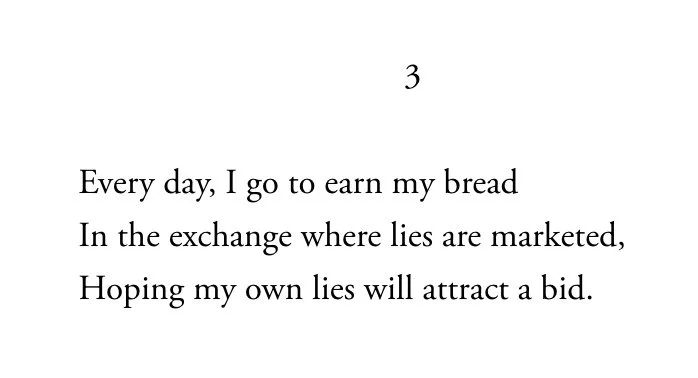
Brecht

Bertolt Brecht - Hollywood Elegies, 1942

1.20.26

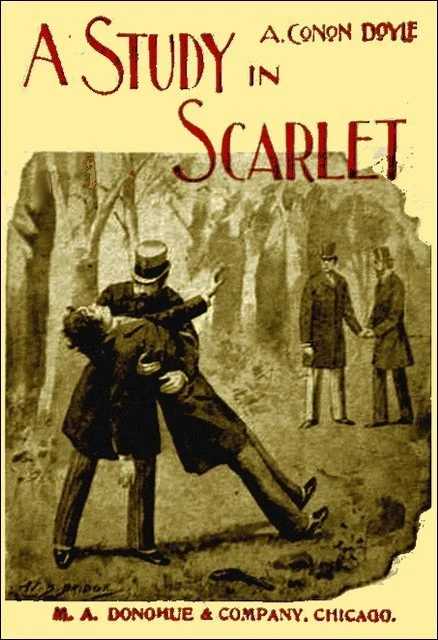
A Study in Scarlet

Reading: A Study In Scarlet, Arthur Conan Doyle

Listening: Django Reinhardt

Watching: This great playlist of 100+ Harlan Ellison interviews

"And then there was light."

7:34am. You know it’s bad when you have a life of experiences to write about but you keep returning to your same old tired thoughts. Fear. Shame. Loneliness. Regret. But mostly fear.

Fear reduces you to your basic survival instincts. I am alive. I have enough bread to pay rent this month. I have food to eat. I am, on the whole, OKAY.

Fear is backward-looking. Fear is status quo. Fear is holding on to whatever hope you have and praying to God things don’t get worse. What is the opposite of fear? Courage? Let’s go with courage.

Courage is forward-looking. What can I overcome? Who can I become? What good can I do in the world? That kind of shit.

Courage is switched on, fear is switched off. Courage is life, fear is death.

Is fear a death instinct? Was it Kierkegaard who coined the term death instinct?

Or Schopenhauer?

The death instinct…

Feel sad, cower from the world and eat your feelings. Feel scared, self-soothe with entertainment and food and exercise and booze and drugs.

Feel lonely, watch double blowjob videos on YouPorn. Cum. If it takes you five seconds to shoot, that’s five seconds of relief. Catch breath, detumesce, and now you’re sitting on the couch with a droopy worm in your hand thinking, “What am I doing with my life?”

Ejaculation is a vacation from your problems

What does it take to elevate one’s thoughts? Something to do with managing moods and emotions maybe. Feelings govern human behavior. Can we agree to that?

Feel bad, you misbehave. Feel good, you behave.

Although it doesn’t have to be so deterministic.

Deterministic is not the right word, but it’s the first word that comes to mind.

How to manage your moods and emotions?

The first step to managing your emotions is noticing them. What are you feeling? Until you’re able to feel what you feel, and put a name to that information, you are a rudderless ship.

The second step is understanding where those emotions are coming from. I have an avoidant personality type. I see conflict, I run. This is actually my default behavior that stems from the fear feeling. Fear of what happens during and after confrontation. Fear of being put down, dismissed, chided, scolded. Fear of wrath. Fear of punishment. My strategy? Avoid the whole thing entirely. Bail. Run. Kick the can for another day. It’s a self-preservation thing. It’s a shirking responsibility thing. Those are the behaviors, but feelings are what drive them.

Let’s recap:

Step one is notice the feeling and name the emotion. Step two is investigate what triggered the feeling.

Simple enough.

Step three is practice strategies that relieve negative feelings. The main benefit of therapy is, you learn to map your feelings. A good analyst will help you figure out your feeling and behavior patterns. Why do I feel this way? Why do I behave this way? How do I change? Once you have a map, you sort of get X-ray vision into your emotional operating system. If X, then Y. If I feel scared, then I run. If I feel confident, then I take action. Knowing these formulas means you have a choice in how you behave. You can’t control your emotions. You feel what you feel. But you can develop strategies to nudge these things toward a higher level of conscousness.

A strategy that’s helped me: Pull up the map and identify the feeling —> behavior pattern.

Oftentimes you’ll find that your behavior sabotages the idea of the person you want to be. In those moments, the rational mind pipes up: “You really don’t want to do that. If you do, then you’re just falling into the same pattern that got you here in the first place.” Someone breaks your heart, you pound a pint of Cherries Garcia. Difficult conversation at work, pound a sixer of Pabst Blue Ribbon. Feel lonely, pound yourself.

So, notice your feelings and identify them. Then see if your default response behavior supports your vision of the person you want to be. Have the hard conversation, or avoid it? Go on a date with Simone, or jerk off at home alone?

Life is the sum total of these sorts of decisions. It seems to me that’s the whole game. Make uncomfortable decisions when your body is telling you to rely on behavior patterns that no longer serve you (or never did).

Or whatever.

1.14.26

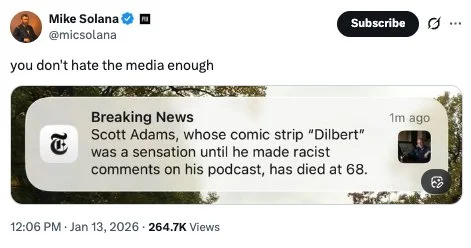
Scott Adams

Wednesday morning. Halfway through January.

Morning links:

Operations: I’m finalizing an SEO deal with an exciting startup that’s set to go public in a few weeks. As part of that engagement, I’m hiring a content strategist and writer to help fulfill the work. This will be hire number one for me. More on that as it develops. Otherwise: today is writing LinkedIn content for a difficult client.

Status: I’m changing my fitness routine. I’ve lifted weights religiously for over a decade, but never prioritized cardio. Starting this week: 3 hours of zone 2 per week plus evening walks after dinner. Boring but important.

Reading: Stella Maris, Cormac McCarthy

3 Jan 26

And we’re off. It’s 2026.

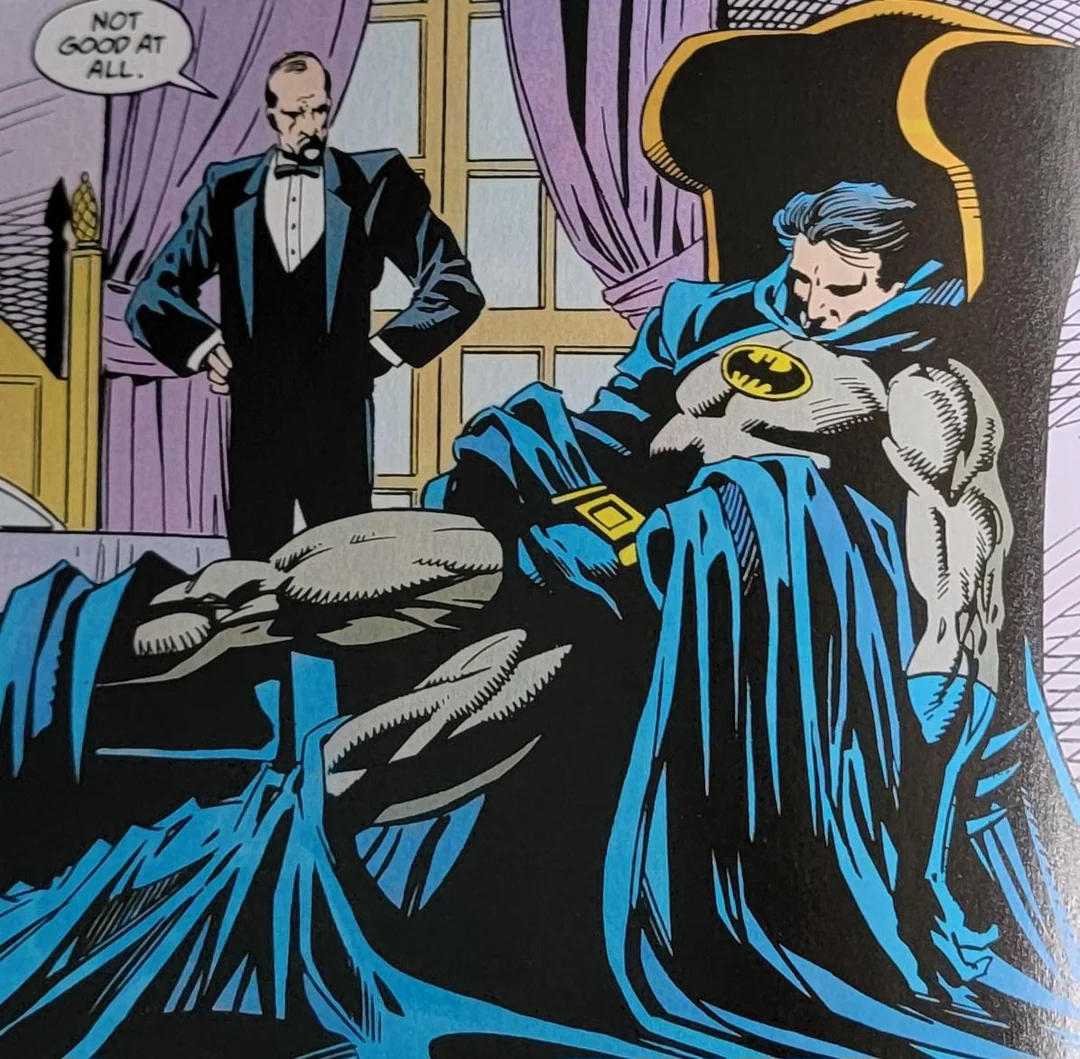
Not Good At All

STATUS: I woke up at 2am (insomnia). Pushed through a workout (deadlifts). Then went on a first date with a gorgeous woman who, I discovered, is good friends with my ex. Off to a great start here.

OPERATIONS: Back in the saddle, but sluggish output on account of taking Christmas week off. If I take a break from writing, even for a day, it takes me 2-3 days to find my rhythm. Not sure why that is. Otherwise I have a few opportunities on my desk that I’m excited about. Main goal this quarter: hire one or two writers (definitely social, maybe SEO).

READING: The Passenger, Cormac McCarthy (link). I stopped reading White Noise (Don Delilo) halfway through because I found the prose kind of sleepy, if beautifully written. Will likely resume at some point.

LAST WATCHED: Stranger Things finale. “Wobbly but poignant” is right. Season 5 felt like the last 50-100 pages of a novel that drags on for too long; you’re kinda just rushing through to the end. For closure.

LISTENING: Literally just these two songs on repeat for the past two weeks.